


Managing Neck Pain at Work: Your Guide to Workplace Neck Pain Relief
Neck pain at work is something many of us face, especially if you spend hours at a desk or in front of a screen. It can start as a mild annoyance but quickly turn into a real pain that affects your focus, mood, and overall well-being. I’ve been there myself, and I know how frustrating it can be. The good news? There are plenty of ways to manage and even prevent neck pain while you’re working. Let’s dive into some practical tips and insights that can help you find workplace neck pain relief.
Understanding Workplace Neck Pain Relief
First off, why does neck pain happen at work? It usually comes down to posture, repetitive movements, and sometimes stress. Sitting for long periods with your head leaning forward or looking down at your phone or keyboard puts a lot of strain on your neck muscles. Over time, this strain can cause stiffness, soreness, and even headaches.
So, what can you do about it? Here are some simple but effective strategies:
Adjust your workstation: Make sure your computer screen is at eye level. Your keyboard and mouse should be positioned so your elbows are at a 90-degree angle.
Take regular breaks: Every 30 minutes, stand up, stretch, or walk around for a minute or two.
Practice good posture: Keep your back straight, shoulders relaxed, and avoid slouching.
Use supportive chairs: Chairs with good lumbar support help maintain the natural curve of your spine.
Stay hydrated and active: Drinking water and moving regularly keeps your muscles healthy.
These small changes can make a big difference in how your neck feels by the end of the day.
Simple Exercises to Ease Neck Pain at Work
Sometimes, all you need is a few minutes of movement to relieve tension. Here are some easy exercises you can do right at your desk:
Neck tilts: Slowly tilt your head towards your shoulder and hold for 10 seconds. Repeat on the other side.
Chin tucks: Pull your chin back gently, as if making a double chin, and hold for 5 seconds. Repeat 10 times.
Shoulder rolls: Roll your shoulders forward and backward in a circular motion to release tightness.
Neck rotations: Turn your head slowly from side to side, holding each position for a few seconds.
These exercises improve blood flow and reduce muscle stiffness. Remember to do them gently and avoid any movements that cause pain.
Can Neck Pain Cause Nausea?
You might wonder if neck pain can lead to other symptoms like nausea. The answer is yes, it can. When neck muscles are tight or if there’s nerve irritation, it can affect your balance and cause dizziness or nausea. This is especially true if the pain is related to issues like cervical spine problems or pinched nerves.
If you experience nausea along with neck pain, it’s important to pay attention to other symptoms like headaches, vision changes, or numbness. These could indicate a more serious condition that needs professional assessment.
How to Create a Neck-Friendly Workspace
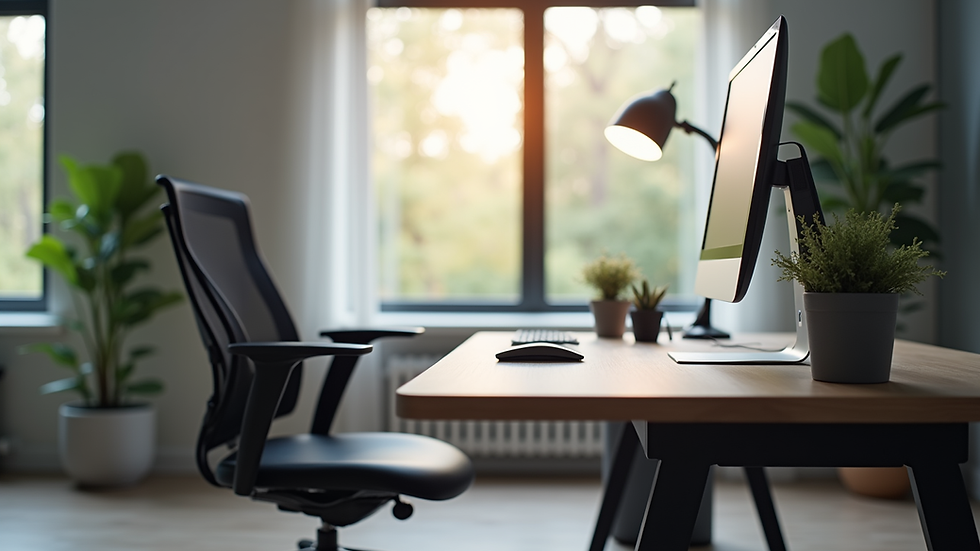
Creating a workspace that supports your neck health is key to long-term relief. Here’s how you can set up your desk for success:
Monitor height: Position your monitor so the top of the screen is at or just below eye level.
Keyboard and mouse placement: Keep them close enough to avoid reaching forward.
Chair height: Adjust your chair so your feet rest flat on the floor and your knees are at hip level.
Desk organisation: Keep frequently used items within easy reach to avoid twisting or stretching.
Lighting: Good lighting reduces eye strain, which can cause you to lean forward or squint.
Investing a little time in setting up your workspace can prevent neck pain from becoming a daily struggle.

When to Seek Professional Help for Neck Pain
If your neck pain persists despite making changes, it might be time to get some expert advice. Sometimes, neck pain can be a sign of underlying issues like muscle imbalances, joint problems, or nerve irritation. A professional can help diagnose the cause and recommend targeted treatments.
For those looking for effective neck pain treatment at work, consulting a chiropractor or physiotherapist can be a great step. They can provide hands-on care, tailored exercises, and advice on posture and ergonomics.
Remember, early intervention often leads to better outcomes. Don’t wait until the pain becomes unbearable.
Keeping Neck Pain at Bay for the Long Haul
Managing neck pain is not just about quick fixes. It’s about building habits that support your body every day. Here are some ongoing tips to keep neck pain away:
Stay active: Regular exercise strengthens your neck and back muscles.
Mind your posture: Check in with yourself throughout the day and correct slouching.
Use tech wisely: Hold your phone at eye level and avoid cradling it between your shoulder and ear.
Manage stress: Stress can cause muscle tension, so find ways to relax, like deep breathing or meditation.
Sleep smart: Use a supportive pillow and sleep on your back or side, not your stomach.
By making these habits part of your routine, you’ll enjoy better neck health and overall comfort.
Neck pain at work doesn’t have to be a constant battle. With the right setup, simple exercises, and a bit of awareness, you can find workplace neck pain relief and keep your neck feeling great. If you ever feel stuck or the pain worsens, don’t hesitate to seek professional help. Your neck will thank you!


Comments