


How Massage Therapy Effectively Relieves Muscle Tension and Pain
Muscle tension and pain affect millions of people worldwide, often limiting daily activities and reducing quality of life. While many turn to medication or rest, massage therapy offers a natural and effective way to ease discomfort and promote healing. This post explores how massage therapy works to relieve muscle tension and pain, backed by practical examples and clear explanations.
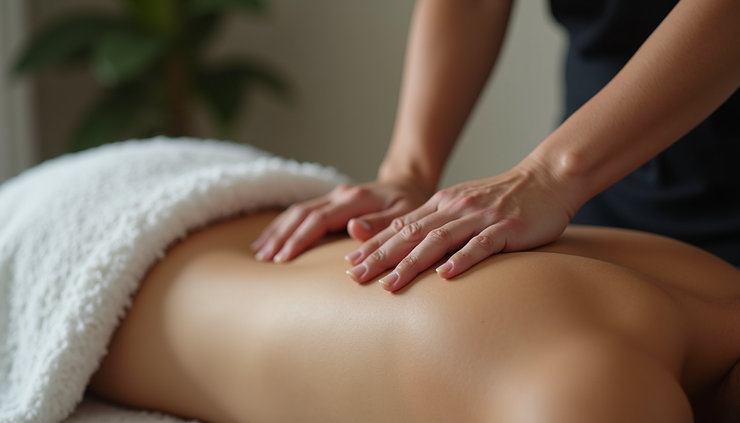
Understanding Muscle Tension and Pain
Muscle tension occurs when muscles contract and fail to relax, often due to stress, overuse, or injury. This tension can cause stiffness, soreness, and pain, sometimes leading to headaches or limited mobility. Pain signals alert the body to injury or strain, but persistent muscle pain can become chronic without proper care.
Common causes of muscle tension and pain include:
Poor posture during work or daily activities
Repetitive movements or overexertion
Stress and anxiety increasing muscle tightness
Injuries such as strains or sprains
Recognizing these causes helps in choosing the right treatment approach, and massage therapy stands out as a practical option.
How Massage Therapy Works to Relieve Muscle Tension
Massage therapy involves manipulating soft tissues to improve circulation, reduce stiffness, and promote relaxation. Different techniques target muscle tension in specific ways:
Swedish massage uses long, gliding strokes to increase blood flow and relax muscles gently.
Deep tissue massage applies firm pressure to reach deeper layers of muscle and fascia, breaking up knots and adhesions.
Trigger point therapy focuses on releasing tight spots that cause referred pain elsewhere in the body.
By improving circulation, massage helps flush out metabolic waste products like lactic acid, which accumulate in tight muscles and contribute to pain. It also stimulates the release of endorphins, natural painkillers produced by the body.
Benefits of Massage Therapy for Muscle Pain
Massage therapy offers several benefits beyond immediate pain relief:
Improved flexibility and range of motion
Reduced muscle stiffness and spasms
Lowered stress levels, which can reduce muscle tension
Enhanced recovery after injury or intense physical activity
For example, athletes often use massage therapy to speed up recovery after training sessions. People with chronic conditions like fibromyalgia or arthritis also report less pain and better mobility after regular massage treatments.
Practical Tips for Using Massage Therapy
To get the most from massage therapy, consider these tips:
Choose a licensed massage therapist with experience in treating muscle pain.
Communicate clearly about your pain areas and pressure preferences.
Combine massage with stretching and gentle exercise to maintain muscle health.
Schedule regular sessions if you have ongoing muscle tension or chronic pain.
Self-massage tools like foam rollers or massage balls can also help maintain muscle relaxation between professional sessions.

When to Seek Medical Advice
While massage therapy is safe for most people, it is important to consult a healthcare provider if:
Pain is severe or sudden
You have an underlying medical condition such as blood clots or infections
You experience numbness, weakness, or unexplained symptoms
Massage should complement medical treatment, not replace it. Always inform your therapist about any health issues before starting therapy.


Comments